
RECENT POSTS
Don't Miss
How to Prepare the General Arrangement (GA) of a Building
The general arrangement (GA) or structural layout is a drawing that clearly specifies the disposition of the structural elements in a building such as...
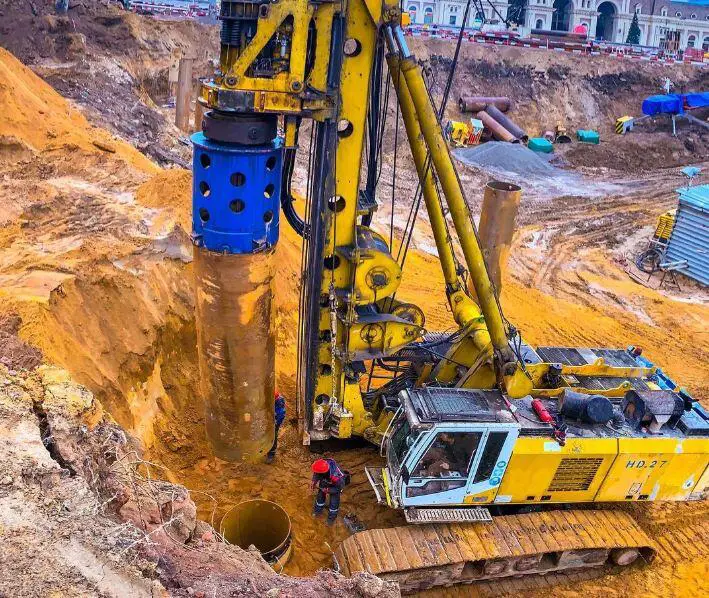
Design of Pile Foundation
Deep foundations are employed when the soil stratum beneath the structure is not capable of supporting the load with a tolerable settlement or adequate...

How to Carry Out Concrete Mix Design
Concrete mix design is the process of specifying and proportioning the quantity of concrete ingredients (cement, sand, gravel, and water) required to produce concrete...

Design of Reinforced Concrete (R.C.) Staircase | Eurocode 2
In multi-storey buildings, ramps, elevators, escalators, and stairs are often used to facilitate vertical circulation. Circulation refers to the movement of people and goods...

Analysis of Three-Hinged Arch Structures
Arches are important structural elements in engineering that provide economical solutions in buildings and bridges. Three-hinged arch structures are pinned at the supports (springings)...

Some Problems with Groundwater Lowering
Groundwater lowering operations may have an impact on water levels in a large area, even some distance away from the actual construction site. Although...

Lateral Load Resistance of High-Rise Buildings
The lateral load resistance and stability of buildings get increasingly important as the height of the building increases. Gravity loads on buildings can be...
Design of Pile Foundation System for Bridge Piers
Piles are the most preferred type of foundation for supporting the piers of overhead bridges. They offer greater resistance to vertical and horizontal actions...
Recent Comments